
Previous
Next
5 Things to Do Before Investing in an A4 Copy Paper Production Line
Every day, we receive inquiries from customers around the world who are interested in investing in an A4 copy paper production line. Many of them are looking for the price of an A4 paper cutting machine, paper sheeter machine, or complete A4 copy paper machine.
A large number of these inquiries come from African countries, where A4 copy paper still heavily depends on imports. In some markets, local production of A4 copy paper can be a promising business opportunity.
However, before investing in an A4 copy paper production line, there are several important factors you should carefully evaluate.
Here are 5 things you should do before starting an A4 copy paper manufacturing business.


1. Conduct a Market Study for A4 Copy Paper
Before purchasing an A4 machine, you need to understand the actual demand for A4 copy paper in your country.
A4 copy paper is widely used by:
· Schools and universities
· Hospitals and medical institutions
· Government departments
· Banks and financial institutions
· Offices and businesses
· Printing shops and copy centers
· Stationery and office supply distributors
You should investigate how much A4 copy paper these customers consume every year and determine whether the market is large enough to support a local production facility.
You should also study the current market price, major brands, import volumes, distribution channels, and customer preferences.
Without stable local demand, do not rush into the A4 copy paper manufacturing business.
A modern A4 copy paper production line can significantly improve production efficiency, but the machine itself cannot guarantee profitability. The market must come first.
2. Learn How to Calculate the Production Cost of A4 Copy Paper
Production cost is one of the most important factors when evaluating an A4 copy paper project.
In some African countries, the import duty on finished A4 copy paper is the same as the import duty on jumbo paper rolls. If this is the case, locally produced A4 copy paper may have very limited cost advantages.
So, how can you compete with finished A4 copy paper imported from China, Indonesia, or other major paper-producing countries?
On the other hand, if your government encourages local manufacturing by imposing higher tariffs on finished A4 copy paper while offering preferential tariffs for imported raw material paper rolls, local production may become much more competitive.
In this situation, you should carefully calculate the complete production cost, including:
· Jumbo paper roll cost
· Import duties and taxes
· Electricity consumption
· Labor costs
· Packaging materials
· Maintenance costs
· Spare parts
· Transportation
· Factory and operating expenses
· Production losses
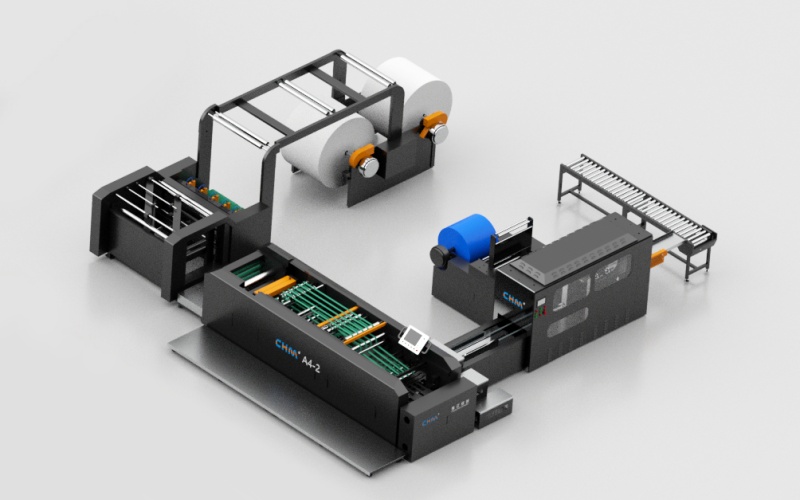
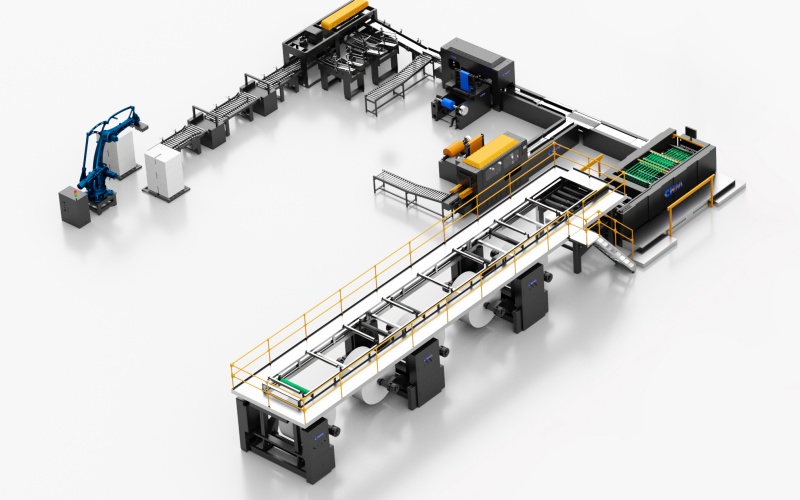
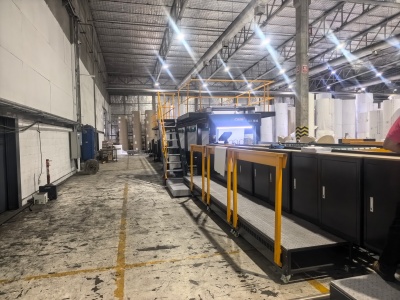
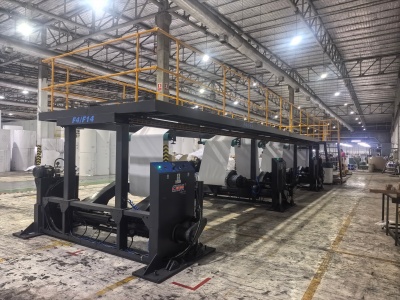
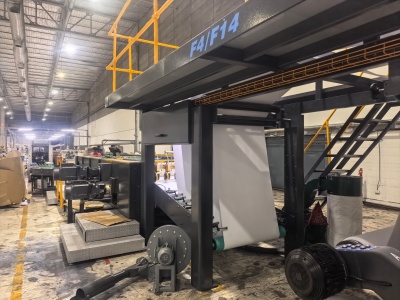
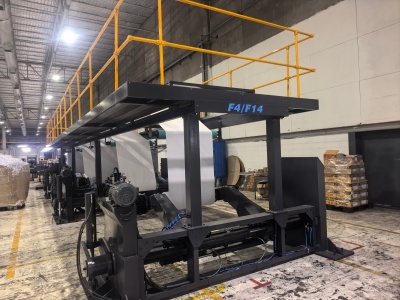
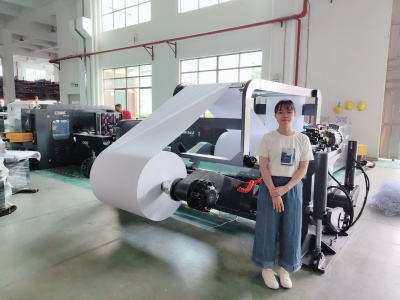
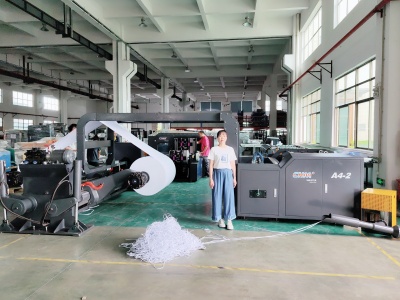
For example, a paper sheeter machine can convert jumbo paper rolls into accurately cut A4 sheets, but the final production cost depends on the entire manufacturing process—not just the machine price.
A business without sufficient profit margins is unlikely to succeed in the long term.
3. Think Carefully About Your A4 Copy Paper Sales Channels
Having an A4 copy paper machine is only one part of the business. You also need a clear plan for selling the finished products.
If you have no previous experience in the paper, stationery, or office-supply industry, you should be especially cautious before investing in an A4 copy paper production line.
Ask yourself:
Who will buy my A4 copy paper?
How will I sell it?
Do I already have distributors or customers?
Can I compete with imported brands?
If you are already involved in stationery, office supplies, printing, or paper distribution, you may already have established sales channels. In this case, adding A4 copy paper production to your existing business can be much easier.
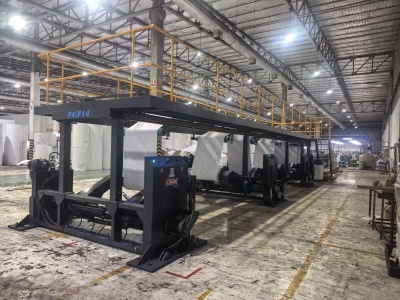
A strong distribution network can be just as important as a high-quality A4 paper sheeter machine.
4. Check Whether There Are Already Strong A4 Copy Paper Manufacturers in Your Country
Before investing, find out whether your country already has strong local A4 copy paper manufacturers.
You should research:
· Their production capacity
· Product quality
· Selling prices
· Main customer groups
· Distribution network
· Brand reputation
· Production technology
· Market share
If there are already several established manufacturers with strong distribution networks and competitive prices, entering the market may require a larger investment and a clearer competitive strategy.
However, if most A4 copy paper in your country is currently imported, there may be an opportunity for a local manufacturer to replace part of those imports.
5. Compare the Cost of Local Production With Importing A4 Copy Paper
This is one of the most important questions before buying an A4 machine:
Is it actually cheaper to manufacture A4 copy paper locally than to import finished A4 copy paper from China or Indonesia?
Do not make your investment decision based only on the price of the A4 copy paper production line.
You should compare the total cost of:
Local Production
Jumbo paper rolls + import duties + production + labor + electricity + packaging + maintenance + transportation + other operating costs
versus
Finished Product Import
Finished A4 copy paper + import duties + transportation + port charges + customs clearance + local distribution costs
Only after making a realistic cost comparison can you determine whether local A4 copy paper production is economically viable.
Final Thoughts
Investing in an A4 copy paper production line can be an attractive opportunity in markets that rely heavily on imported A4 copy paper. However, purchasing an A4 machine should not be the first step.
Market demand, production cost, sales channels, competition, and import costs should all be evaluated first.
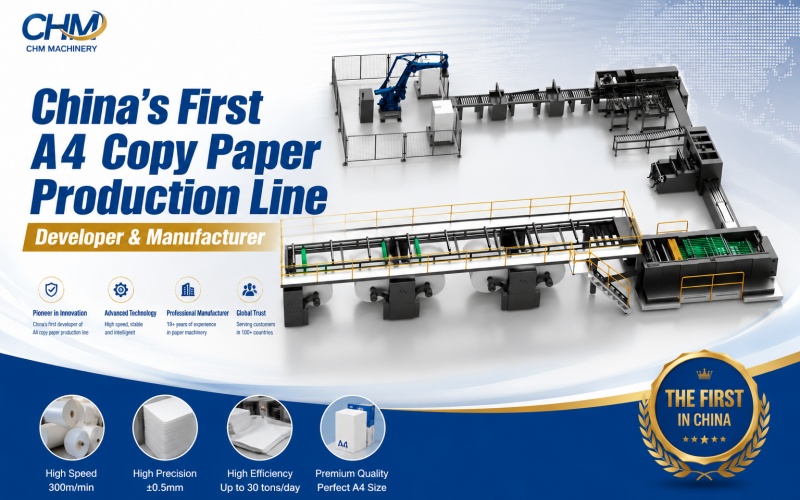
At CHM Machinery, we focus on A4 copy paper machines, paper sheeter machines, and roll-to-sheet sheeter machines for paper mills and paper converters.

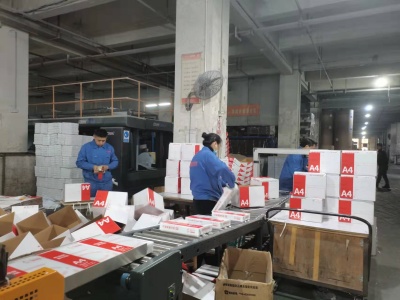
If you are considering an A4 copy paper manufacturing project, we recommend evaluating your local market and production costs first. A suitable CHM machine should be selected according to your raw material, target production capacity, paper size, and local market conditions.
A good machine is important—but a good business calculation comes first.