Previous
Next
How to Solve Paper Curling Problems During Roll-to-Sheet Cutting?
Paper curling is a common problem faced by paper converters and paper product printing factories.
Curling during the roll-to-sheet cutting process often leads to poor printing quality, unstable sheet stacking, and reduced cutting efficiency.
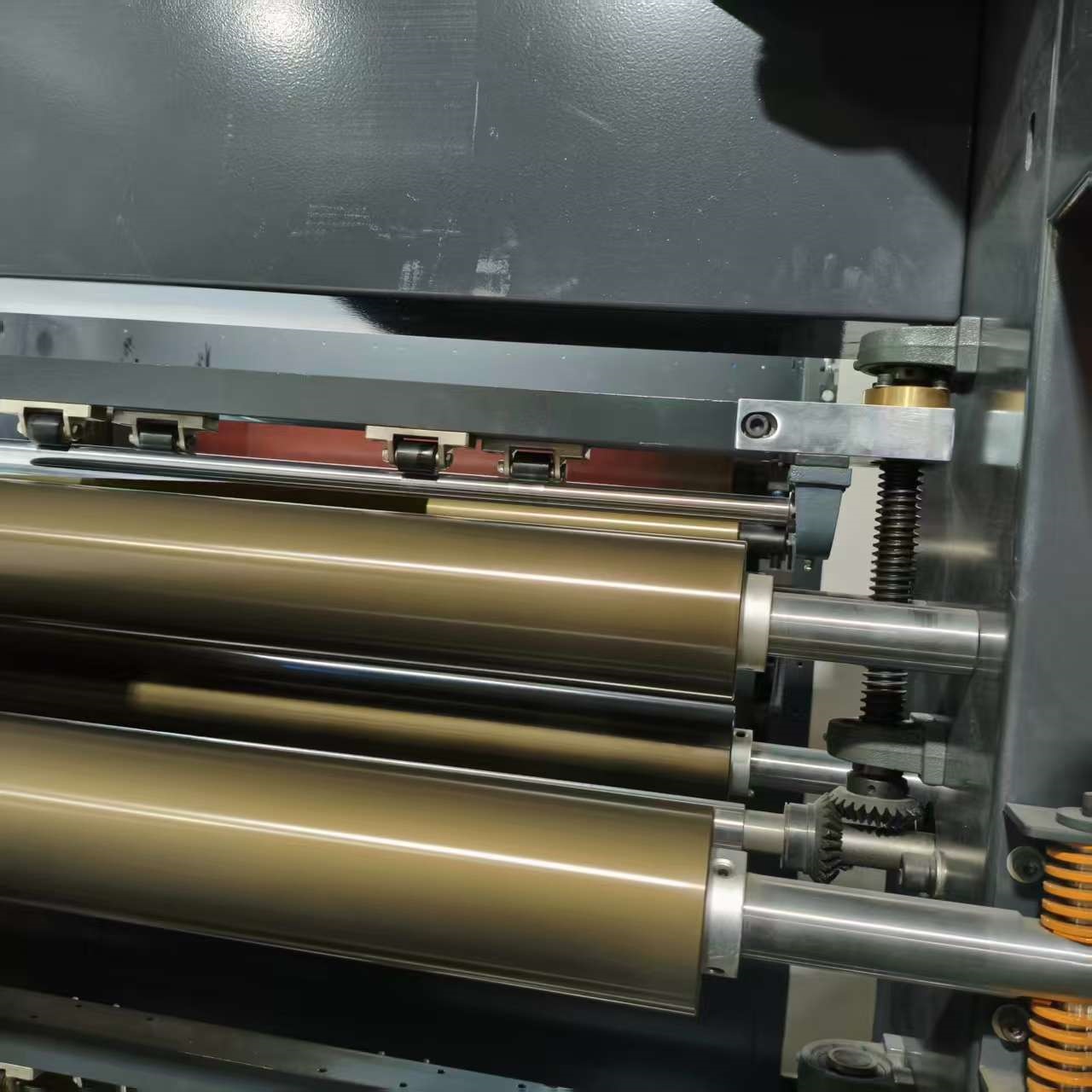
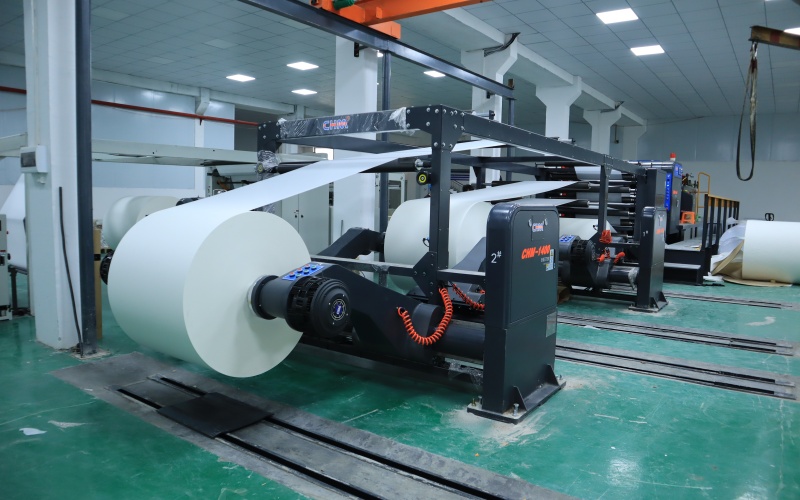
Therefore, when selecting a paper roll sheeter cutter machine, it is essential to consider how effectively the machine can reduce paper curl. Choosing a high-precision paper roll to size sheets cutting machine designed to control curling can significantly improve cutting stability and productivity.
What Causes Paper Curling During Paper Roll Cutting?
Paper is a highly hygroscopic material, which means it easily absorbs and releases moisture.
After long-term storage:
The outer layers of the paper roll absorb moisture faster
The inner layers respond more slowly
When the roll is suddenly unwound and cut into sheets, the internal stress is released, resulting in visible paper curl.
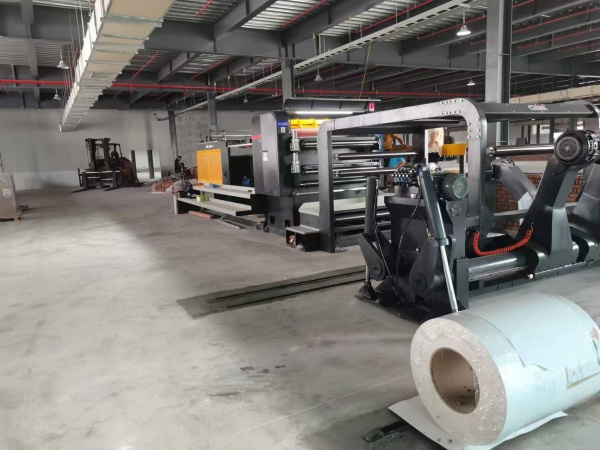
In addition, paper rolls are processed on paper machines and rewinder machines under:
Small core diameters
High winding tension
These conditions create a “fiber memory effect”, fixing the fiber orientation inside the roll. Once the paper is cut into sheets, this stored stress causes the paper to curl.
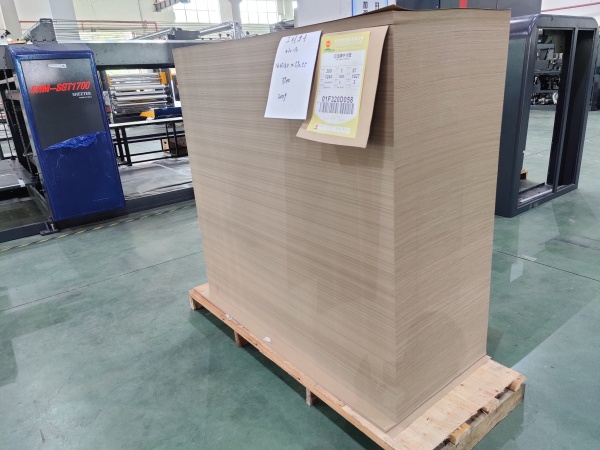
Other factors that intensify paper curling include:
Long storage periods
Large temperature and humidity fluctuations
One-side moisture exposure during storage
This is especially common with materials such as kraft paper rolls, FBB paper, cigarette paper, glassine paper, coated paper, and specialty paper rolls.
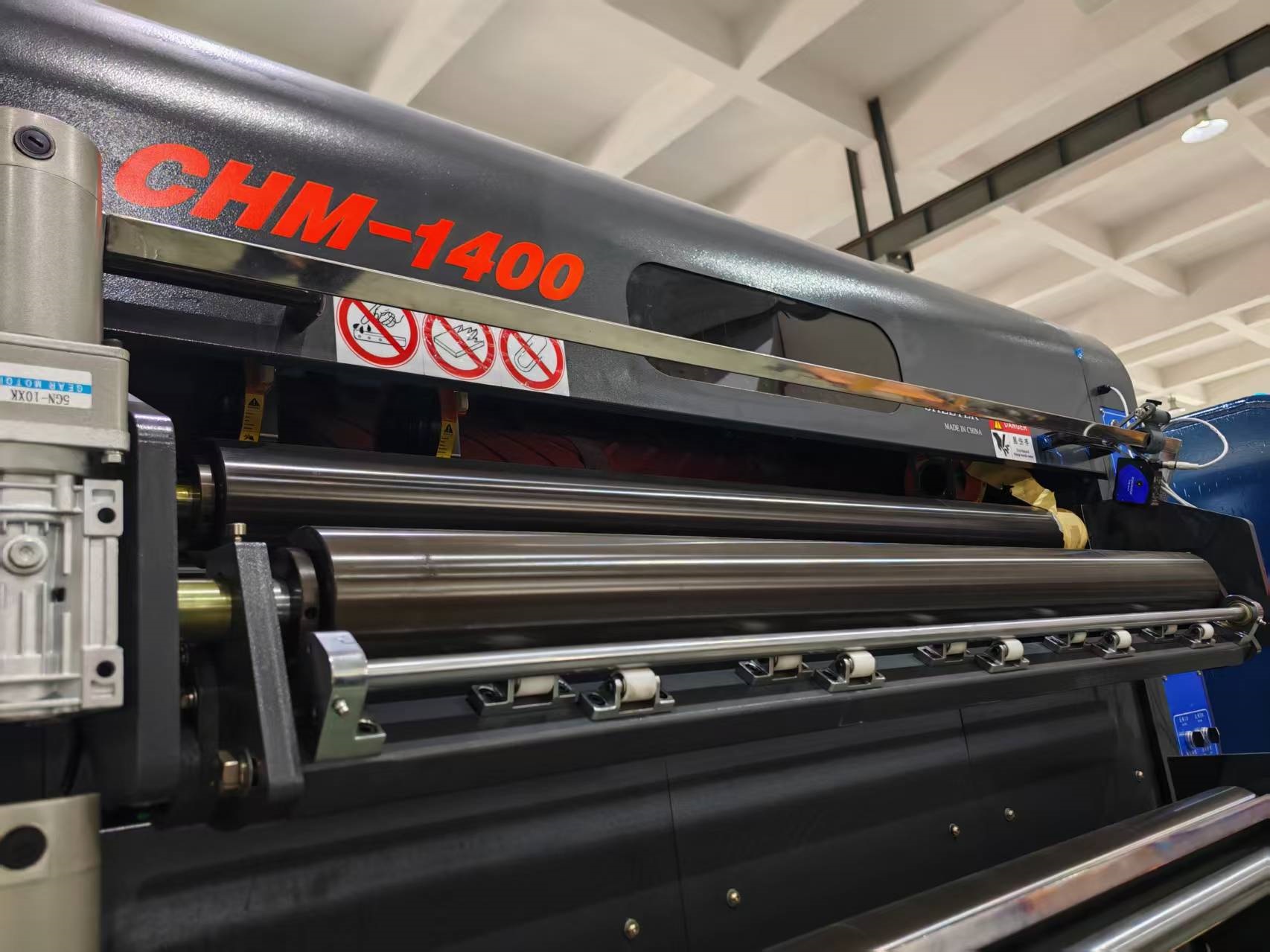
How Does a High-Precision Paper Roll Sheeter Cutter Machine Reduce Paper Curl?
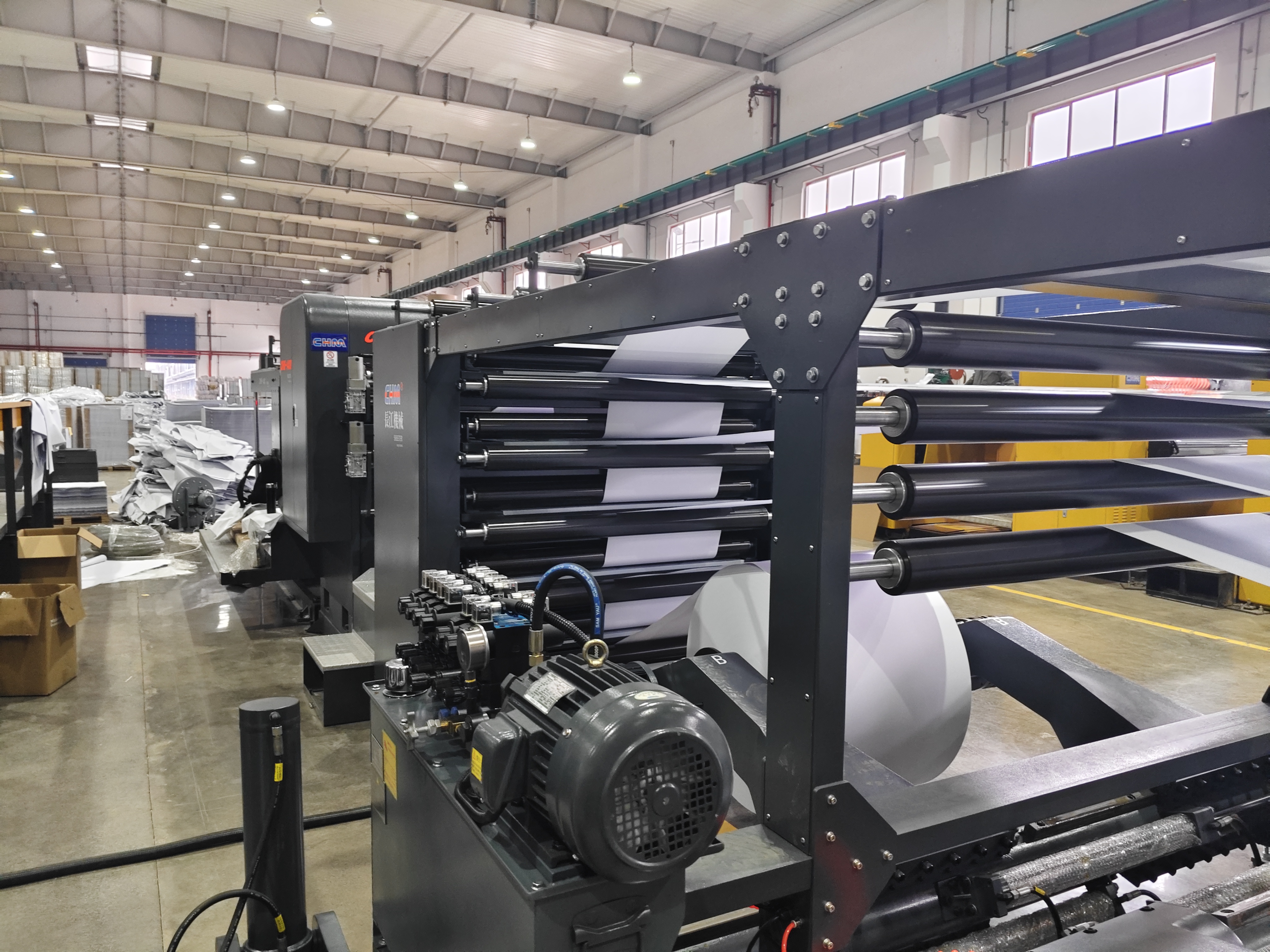
Based on our experience in manufacturing high-precision paper roll sheeter cutter machines, we have developed an effective reverse bending (anti-curl) system.
Reverse Bending Structure Design
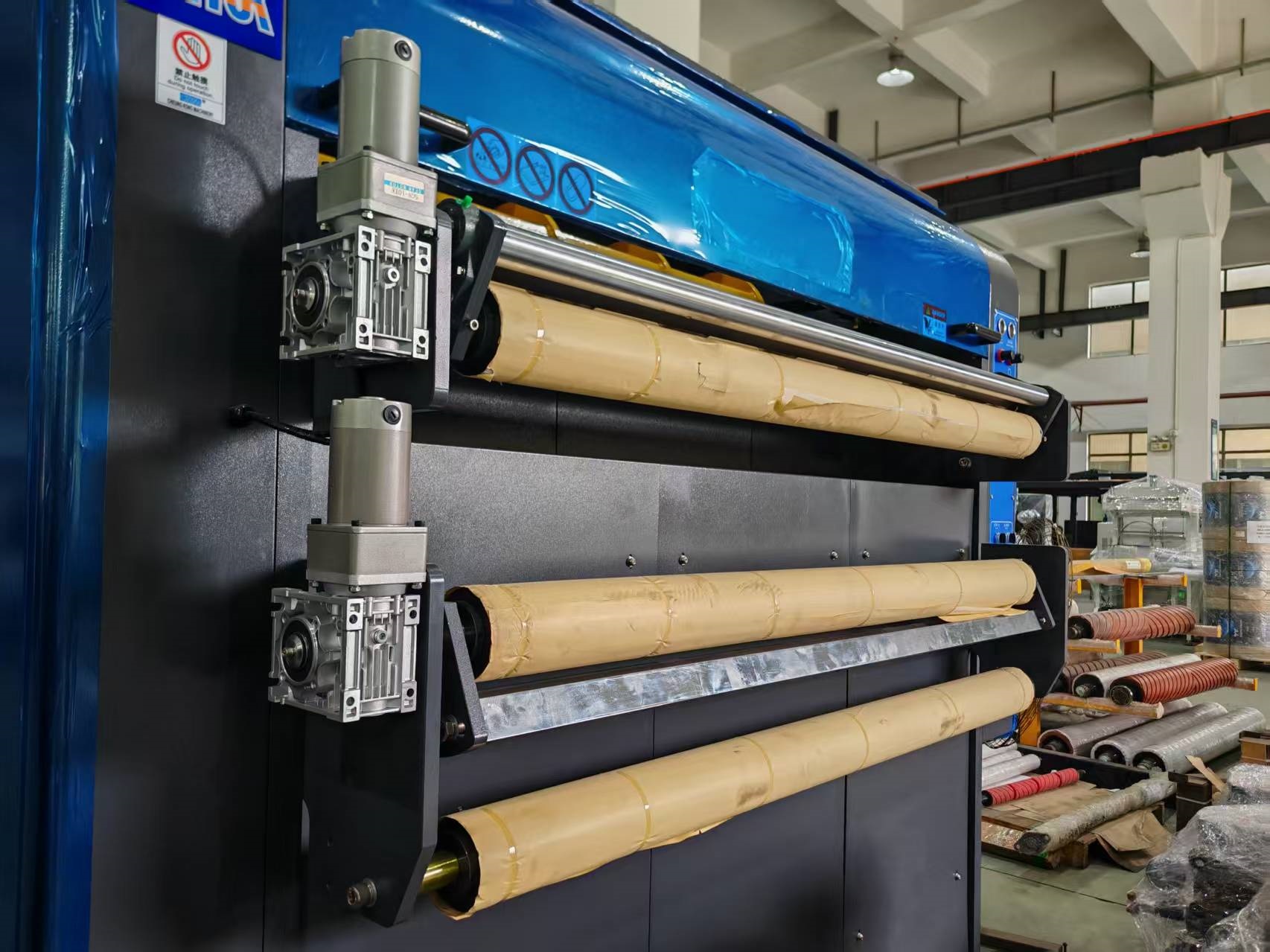
This structure applies a controlled counterforce to curled paper during machine operation, allowing the paper to gradually return to a flat state before slitting and cross cutting.
The anti-curl system consists of:
One servo-driven motor
One large-diameter rubber roller
One steel roller
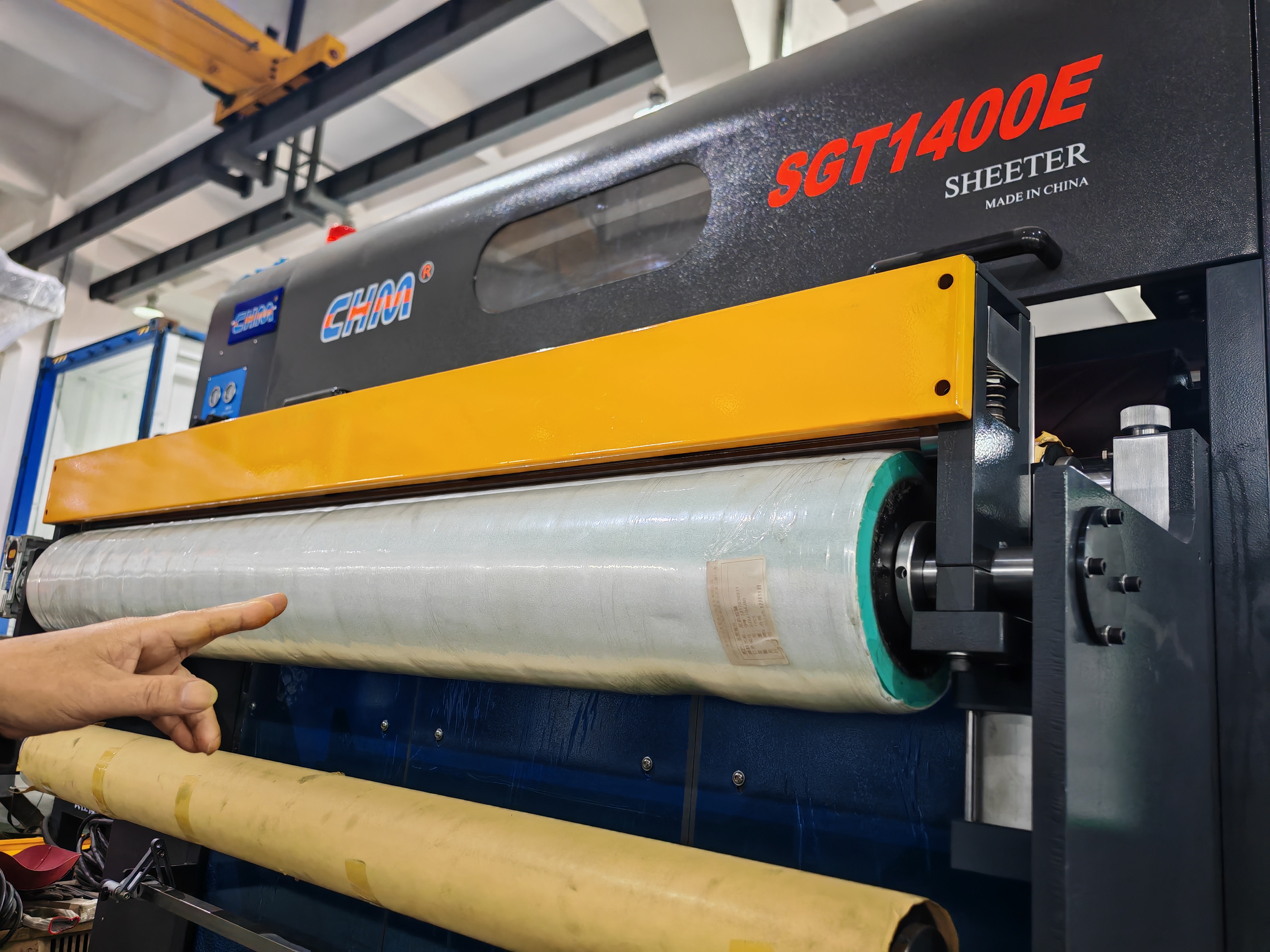
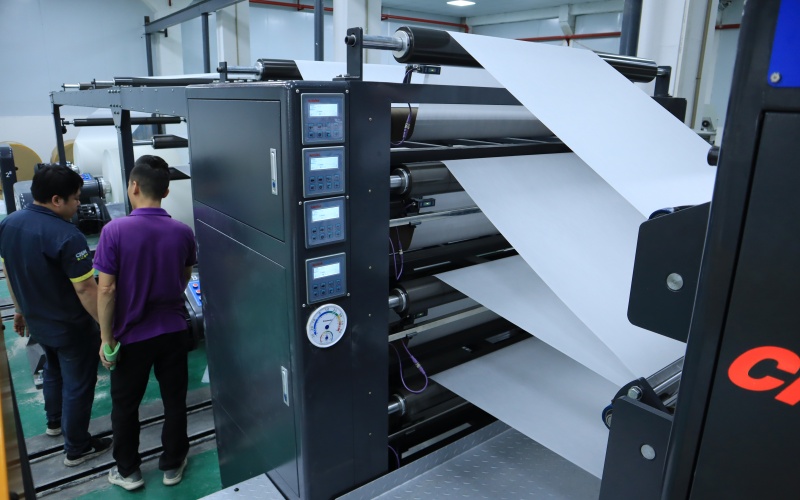
As the paper passes over the rubber roller, the steel roller—driven by the motor—applies a reverse bending force to the paper web. This process redistributes internal stress and neutralizes the original curl direction.
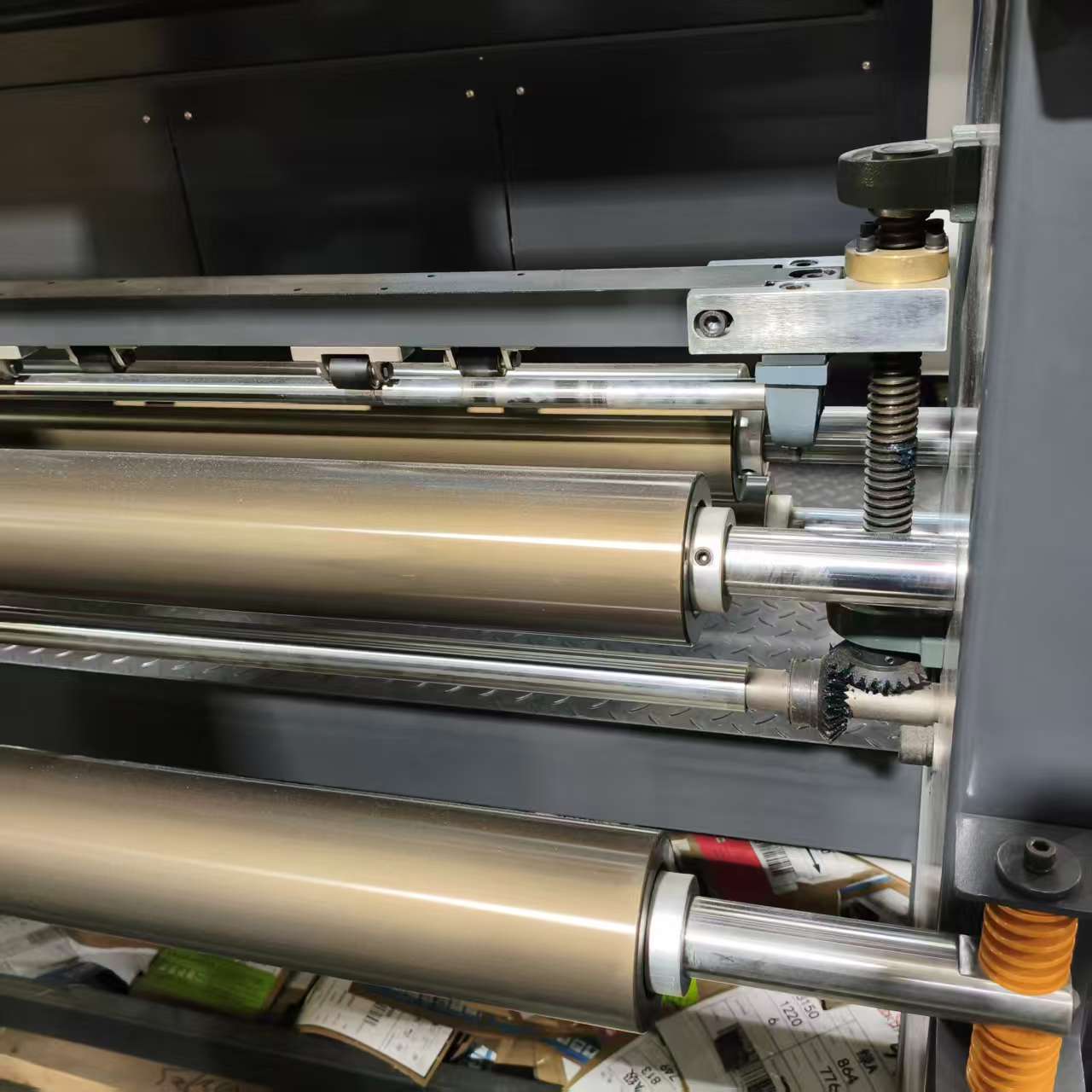
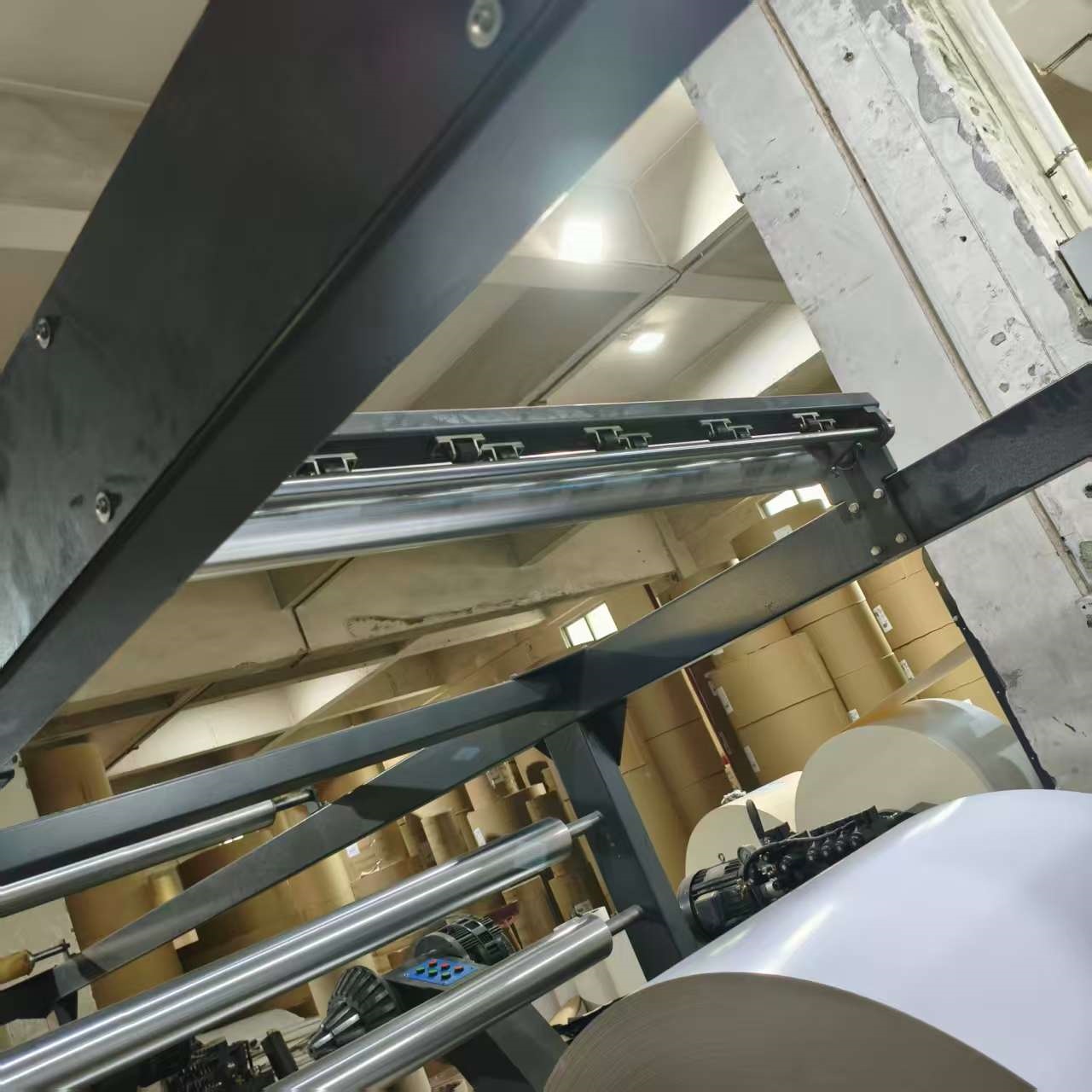
For paper rolls with severe curling, we recommend using two reverse bending units.
Through two small-angle adjustments, the paper can be quickly flattened, ensuring stable performance during slitting and cross cutting. This design significantly improves the operating efficiency of a paper roll to size sheets cutting machine.
Additional Methods to Control Paper Curl in Sheeter Machines
Besides the reverse bending system, paper curl can also be reduced by:
Increasing the diameter and weight of press rollers
Extending the paper–roller contact area
Applying uniform pressure across the web width
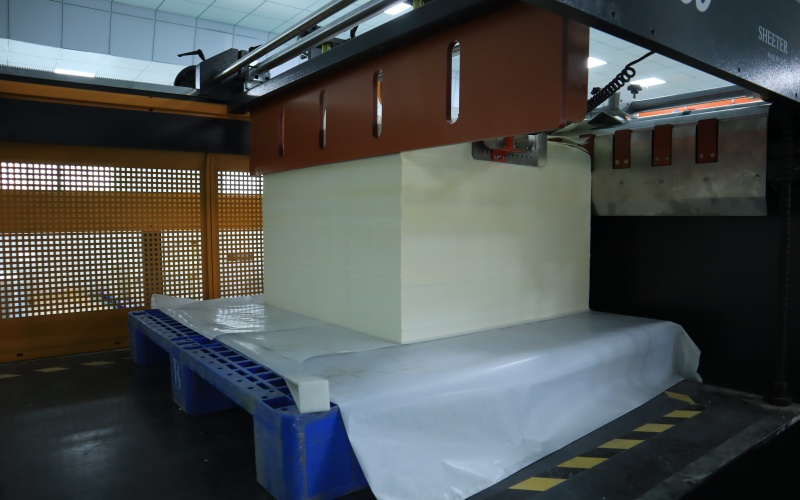
These methods help stabilize the paper before it enters the cutting section, improving sheet flatness and stacking quality.
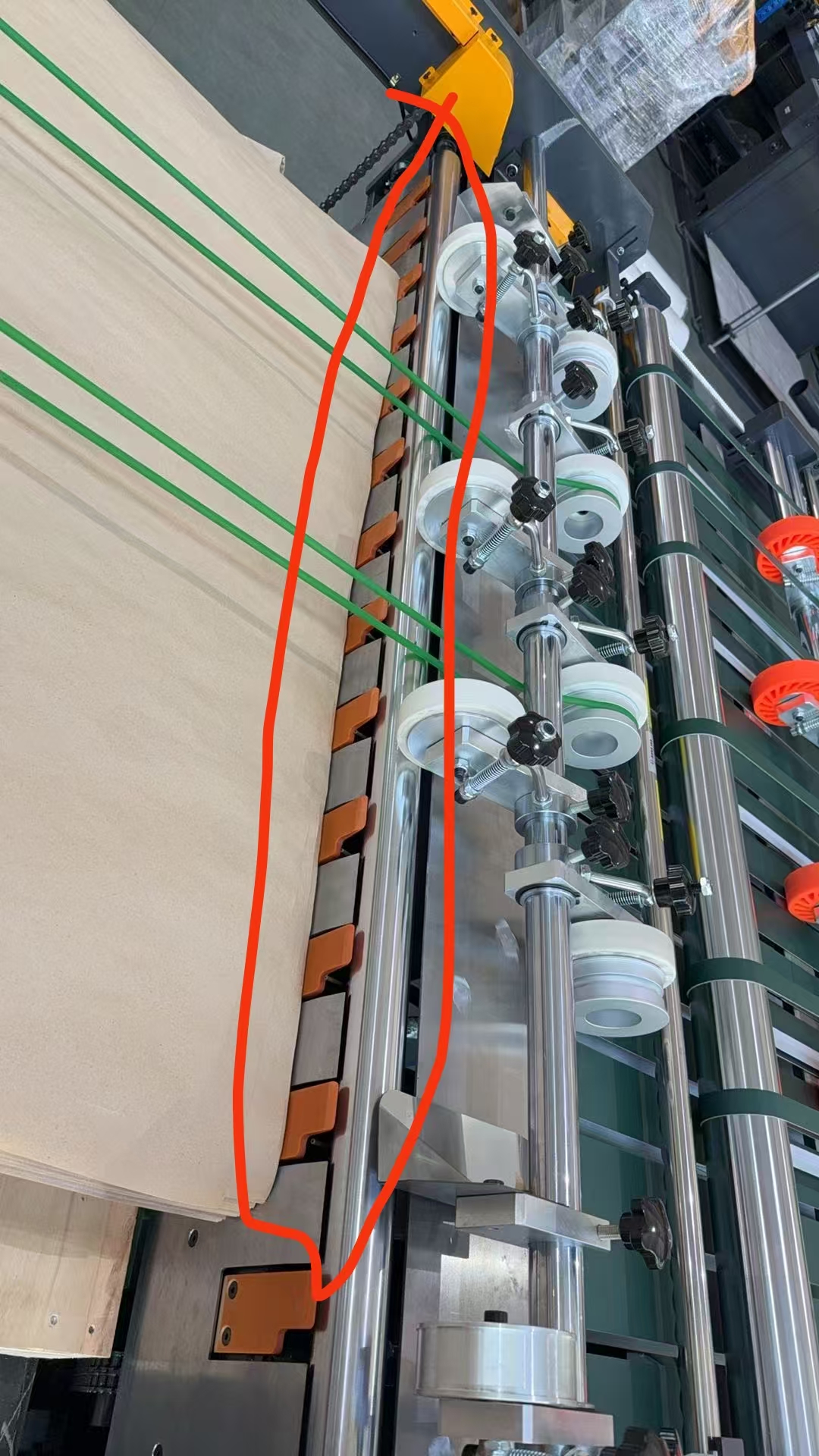
Why CHM Machinery Paper Roll Sheeter Cutter Machines?
CHM Machinery focuses on designing paper roll sheeter cutter machines that address real-world paper converting problems.
Our machines are widely used for cutting:
Kraft paper rolls
Coated paper rolls
FBB paper
Cigarette paper rolls
Glassine paper
Specialty and packaging paper rolls
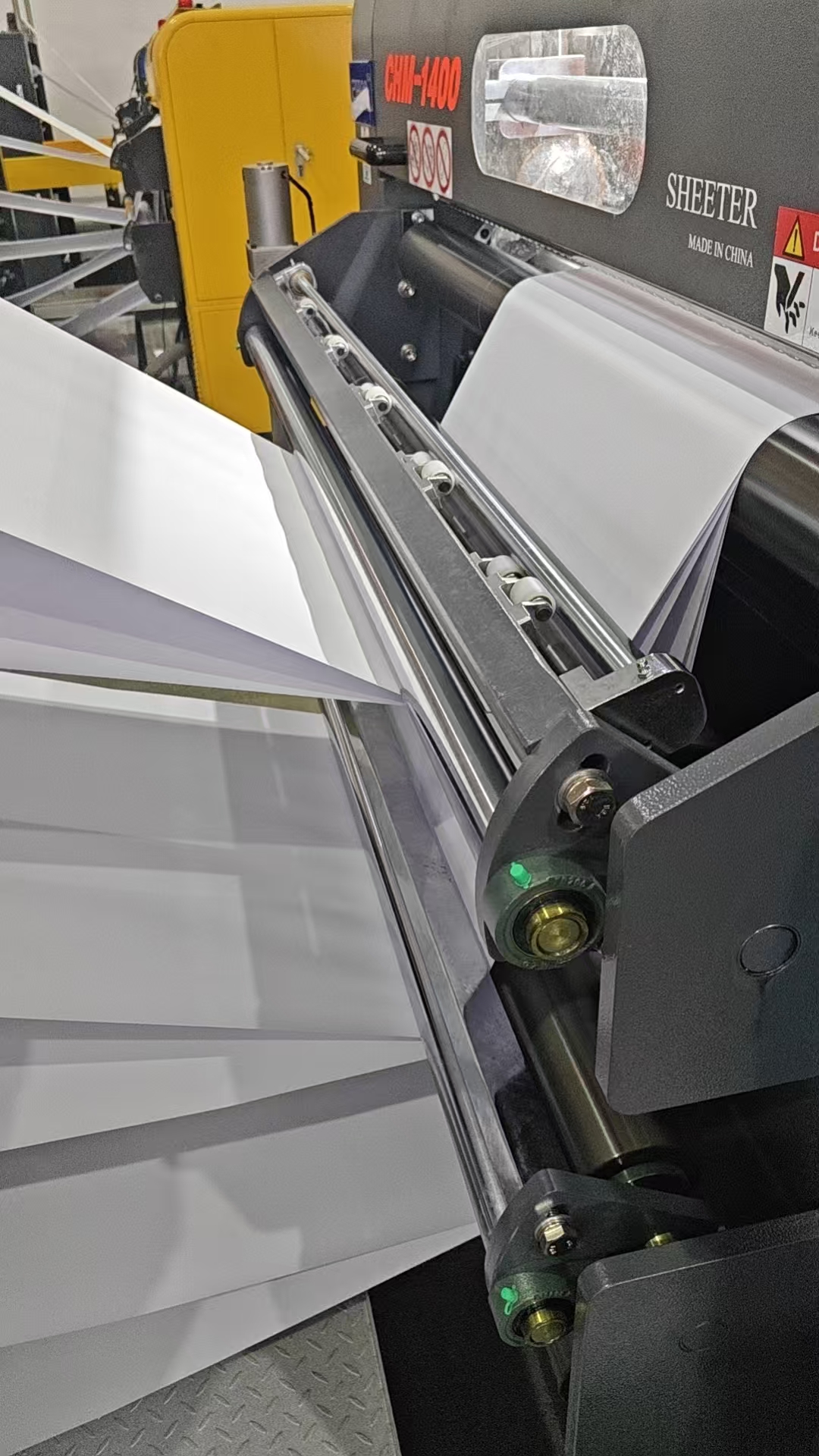
By combining anti-curl technology, stable tension control, and high-precision cutting systems, CHM Machinery provides reliable paper roll to size sheets cutting machines for paper converters and printing factories worldwide.